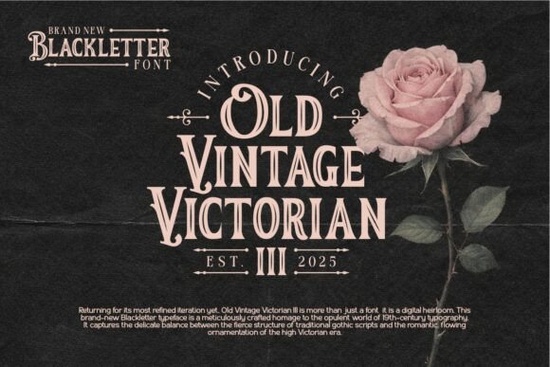
If you are designing labels, packaging, or eye-catching headers for a brand that needs a sense of history, Old Vintage Victorian Iii Font delivers exactly that refined aesthetic. This decorative serif typeface draws heavily from nineteenth-century printing traditions, offering heavy strokes, sharp contrast, and ornamental flourishes that instantly read as classic yet highly impactful. This display font gives your work an authentic, established feel without custom lettering skills.
What makes this typeface visually distinct?
The design relies on thick vertical stems paired with delicate hairlines, creating dramatic contrast typical of high-end Victorian typography. Subtle inline details and generous swashes add movement without cluttering the layout. These elements keep the character set readable even when scaled down. The overall weight gives it enough presence to work well as a primary headline, while the decorative touches prevent it from looking like a basic retro revival. When you need a typeface that communicates craftsmanship and heritage at a glance, this structure provides the right visual hierarchy.
Where does it perform best in real projects?
Because the letterforms demand space, this font thrives in large settings rather than dense body copy. Distillery and brewery labels consistently benefit from its structured elegance, especially when paired with geometric shapes or muted earth tones. Apparel makers apply it to retro streetwear, where bold contours print cleanly. Restaurant and cafe branding also lean on its vintage authority for menu covers, coasters, and exterior awnings. Hobbyists export files for laser cutting vinyl signs and embossed business cards. The versatility across digital mockups and physical production makes it a reliable choice for creators who bridge both mediums.
How should I pair it with supporting fonts?
A busy display face like this requires calm companions to maintain balance throughout a composition. For editorial layouts or magazine spreads, selecting clean sans-serifs from editorial type selections keeps readability intact when paired against heavy historical headings. If you want softer accents for casual branding, browsing playful children fonts introduces a light counterpoint that prevents rigid layouts from feeling overly formal. Creators comparing heavy Victorian structures with mnemonic style typefaces often test how shape recognition changes across audiences. Reviewing this specific vintage collection helps you trace the stylistic lineage before committing to final exports. Mixing classic displays with modern dual-style options ensures your projects stay fresh without sacrificing period authenticity.
Is the file setup straightforward for different software?
Most design applications handle standard open formats without extra configuration steps. After extraction, installing the font family typically takes less than two minutes, whether you are editing in vector programs, layout tools, or basic design editors. Once active, you can adjust weight variations, modify kerning pairs, and tweak baseline alignments directly within your workspace. Exporting for fabric printing, heat transfer vinyl, or digital ad banners usually only requires converting outlines to paths before flattening layers. Named layers keep revisions organized across listings.
How can I customize it for commercial products?
The built-in swashes and alternative glyphs allow quick styling adjustments without leaving your design canvas. Replacing standard terminals with extended flourishes works well for luxury packaging or wedding invitations, while removing those extras keeps the look grounded for everyday retail items. Cropping heavy descenders or tightening letter spacing improves compatibility with narrow die-cut templates and shrink sleeve wrapping. When preparing artwork for manufacturing, always verify stroke thickness limits and minimum gap measurements to avoid registration issues during production runs. Small tweaks to baseline positioning or optical alignment often make the difference between a professional finish and a misprinted batch.
If you prefer to preview character sets, examine glyph alternatives, or review licensing terms before purchasing, visiting the official store page for Old Vintage Victorian Iii Font provides direct access to high-resolution previews and complete documentation. Checking file notes upfront clarifies usage rights for mass production.
Ready to start applying this style?
- Export a test sheet featuring all major weights and swash variants to check screen visibility.
- Pair the heaviest style with minimal line art to preserve negative space around curves.
- Adjust tracking by two to four points when rendering below fifty millimeters to maintain legibility.
- Convert all text to paths before sending files to commercial printers or engraving machines.
- Store layered project files with clearly labeled typographic components for future reuse.
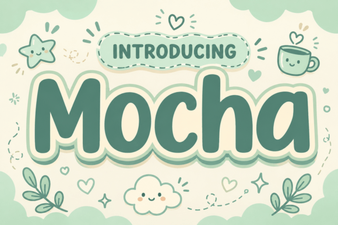 Design Your Website with Motcha Font Style
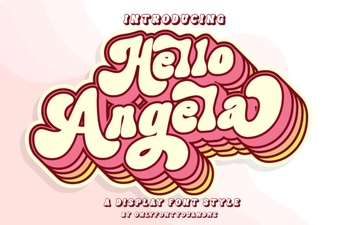 Hello Angela Font: Creative Projects & Design Tips
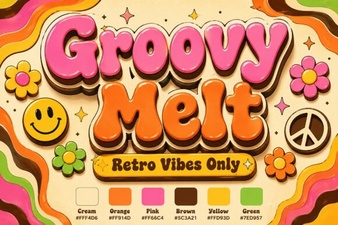 Groovy Melt Font: Style Tips & Creative Ideas
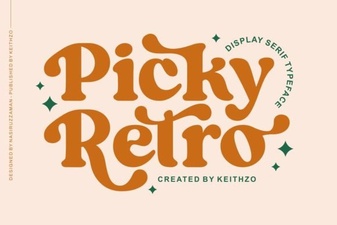 Retro Fonts for Modern Projects: Design and Use
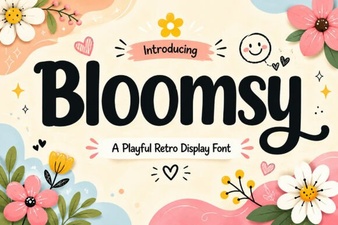 Bloomsy Font: Create Elegant Designs & Typography
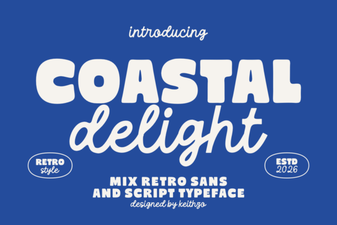 The Coastal Delight Font: a Design Guide