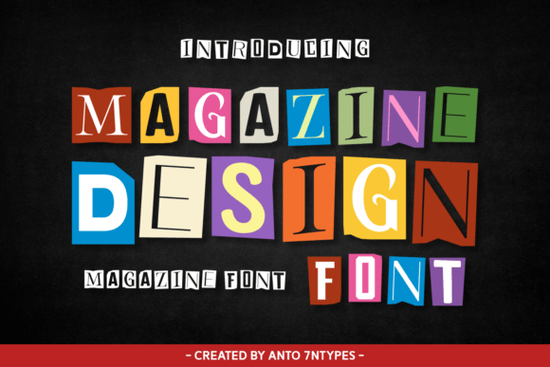
If you need a typeface that grabs attention without shouting, the Magazine Design Font delivers exactly that vintage cutout charm. This family leans into the tactile energy of mid-century newspaper clippings and handmade posters. The characters sit heavy on the baseline, carry rough edges, and mimic the physical act of gluing individual letters together. It offers a reliable shortcut to visual interest.
Why does a ransom letter aesthetic still feel relevant?
Irregularity tricks eyes into paying closer attention. Stripping away uniform spacing recreates the organic rhythm of actual print shops. Modern viewers associate that messy arrangement with authenticity and street-level creativity. You will see this approach thrive on coffee bags, festival posters, and independent zines because it signals that someone actually touched the design process.
How do you actually apply this look to your projects?
Print-on-demand sellers often run it straight onto heavyweight cotton tees or ceramic mugs since the thick strokes hold up well against heat transfer vinyl and sublimation coatings. Book cover artists wrap it around bold headlines while leaving ample negative space for smaller serif body text. If you manage a small business account, you can adapt the same capitalization style for weekly quote graphics or limited-time sale banners. Packaging designers frequently stack these bold capitals over muted kraft paper backgrounds to achieve that collector-ready unboxing moment.
Social media managers drop single-word hooks over gradient overlays because the textured edges prevent harsh digital bleeding. When you compare this to softer script families like Bloomsy Font, the ransom letter variant demands more breathing room but rewards creators with sharper recall rates. Similarly, pairing it with structured geometrics like Stacked Chunky Font creates a pleasing balance between hand-cut noise and mechanical precision.
What should you pair it with for better readability?
A display family of this weight works best when surrounded by quiet companions. Thin sans-serifs or classic typewriter styles provide the steady runway that these uneven capitals need. Always test combinations at actual production size, because subtle warping shows clearly on mobile screens. Color matters just as much as pairing choices. Dark charcoal text on warm cream backgrounds tends to mute the vintage vibe, whereas stark white lettering on deep navy amplifies that newspaper masthead energy.
Spring newsletter headers and autumn market stalls thrive when the headline breaks standard grid rules while the supporting text stays completely conventional. Layer subtle textures that mimic aged newsprint, but keep them light so the underlying glyph shapes remain legible. If you ever need a smoother counterpoint, something like Old Vintage Victorian III adds ornamental detail without competing for visual dominance.
Can this style work for business branding without looking dated?
Absolutely, provided you treat the typography as a structural element rather than a decorative afterthought. Consistent application across your logo mark, storefront signage, and digital ad templates builds recognition faster than constantly switching aesthetic directions. Many sustainable brands adopt this cutout approach because the imperfect edges align closely with eco-conscious messaging. Testing different weight distributions and line heights during the mockup phase prevents that cramped appearance that makes older style revivals feel tacky.
Reserve the heavier characters for primary calls-to-action and switch to lighter spacing for secondary information like store hours or website URLs. For smooth alternatives sharing this analog inspiration, explore Picky Retro Font or Have a Nice Day Honey Font. For immediate access to the full range of available weights and alternate characters, creators usually head straight to the official marketplace using the dedicated Magazine Design Font listing.
Quick setup checklist before you export
- Set baseline alignment: Even irregular glyphs look sloppy if they float above or dip below your intended working line.
- Add generous tracking: Slightly wider spacing between these chunky capitals prevents visual crowding on curved surfaces or narrow product faces.
- Test at final size: Preview your design at ten percent scale to catch harsh corners or unintended gaps before moving to production.
- Check contrast ratios: Ensure dark backgrounds don’t swallow the thin inner curves of certain letters when printed or uploaded to streaming platforms.
Start by sketching three layout variations on plain paper, digitize your favorite, and export your master file in both vector and high-DPI raster formats. Keeping both versions safe in your project folder saves hours of re-rendering later.
Get Started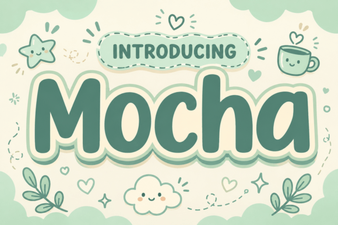 Design Your Website with Motcha Font Style
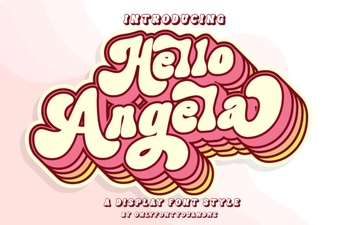 Hello Angela Font: Creative Projects & Design Tips
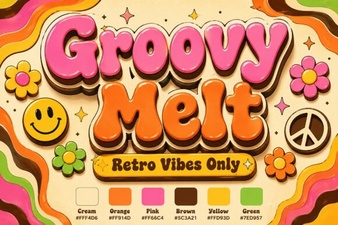 Groovy Melt Font: Style Tips & Creative Ideas
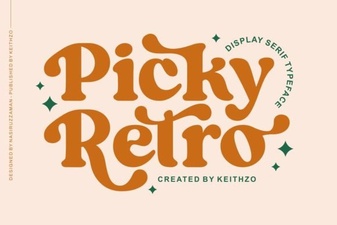 Retro Fonts for Modern Projects: Design and Use
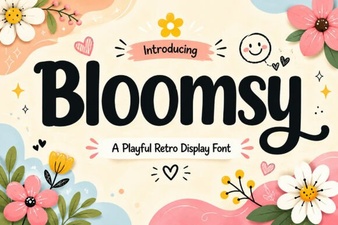 Bloomsy Font: Create Elegant Designs & Typography
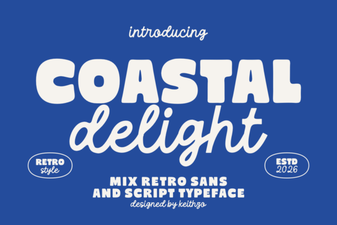 The Coastal Delight Font: a Design Guide