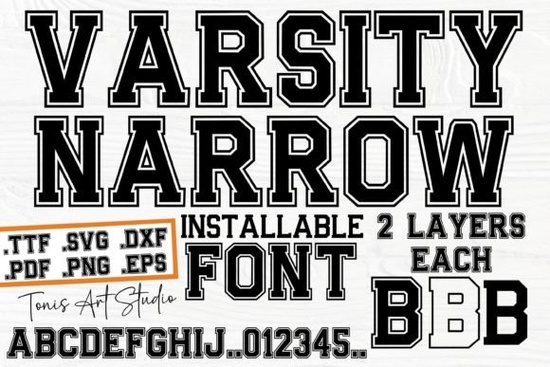
If you need clean, high-contrast lettering that reads instantly from across a gymnasium or online storefront, Varsity Narrow Font delivers exactly that kind of reliable structure. Designers and crafters often reach for this style when they want sharp, open counters and sturdy stroke weights that hold up under pressure. The narrow proportions keep layouts tight enough for crowded compositions, while the classic outlined forms bring back that familiar athletic feel without looking dated. You will find it works smoothly whether you run files through a vinyl cutter, set up mockups for print-on-demand stores, or draft event graphics for local clubs. When exploring options like Varsity Narrow Font, makers usually notice how quickly it establishes visual hierarchy on a page.
Why do creators pick outline block lettering for apparel?
The appeal comes down to legibility and visual rhythm. Outlined letters create negative space inside the characters, which helps them breathe against busy backgrounds like textured fabrics. Print shops appreciate that the shapes maintain consistent thickness even when scaled down for patches. Crafters frequently use this approach because the hollow centers play nicely with heat transfer vinyl, meaning you get crisp edges without excessive weed time. For small business owners launching merchandise, that balance between bold impact and manageable production steps makes the typeface a steady companion rather than a stressful trial.
How does this weight handle different project scales?
Scaling behaves predictably because the strokes never drop below a functional minimum width. When you enlarge the set for wall murals or truck decals, the lines stay crisp. Shrink it for matchday stickers or tote bag labels, and the spacing still leaves enough room between adjacent glyphs to prevent muddiness. Many users adjust tracking slightly when setting multi-line quotes, which keeps the compact proportions from crowding the composition. Keeping the baseline aligned preserves the original geometric intent.
Which file formats work best for cutting machines?
Vector exports like SVG and EPS form the foundation for plotter work, giving blade cutters clean paths to follow. Raster versions such as PNG provide transparent backgrounds ready for immediate upload into design templates. If you run files through a direct-to-garment printer, a high-resolution PDF ensures the outline edges stay sharp during color separation. Most creators keep a master vector version, then generate smaller raster copies only when needed. Adding decorative pieces becomes straightforward once you explore other retro styles that share similar line qualities. Those selections help maintain a unified visual tone across product sheets.
Can this style pair well with other collegiate typefaces?
Yes, provided the contrasting type maintains its own clear voice. A condensed sans-serif works well for secondary information like dates or sponsor logos, since the narrow x-height complements the main display without competing. Script accents can add movement along curved seams, though keeping the script simple prevents visual clutter. Display options with subtle textures occasionally appear alongside vintage athletic sets, yet sticking to clean geometry usually yields more professional results over time. Makers who test combinations before finalizing artwork often land on layouts that feel intentional.
What steps ensure smooth commercial licensing?
Personal craft licenses generally cover physical goods sold by hand, while extended agreements apply when you distribute digital templates or large manufacturing runs. Review the merchant terms carefully to confirm whether web hosting and POD integrations fall within permitted usage. Navigating to the dedicated asset hub reveals additional variations and updated terms directly in one place. Many independent sellers keep a folder documenting license numbers alongside each product SKU, which simplifies platform verification and builds trust with buyers.
Are there quick tips for keeping outlines crisp during production?
Start by outlining your text path instead of relying on automatic stroke applications, which sometimes vary during export. Set bleed margins to at least two millimeters beyond the outermost edges so cutting tools have extra material to grip. Test a single sample on the actual substrate before running a full batch, since paper stock and fabric weave all interact differently with ink density. When building layered designs, place heavier background elements behind the typography so the white gaps remain visible. Creators who incorporate flexible alternatives like display faces that shift toward fluid shapes often use those sparingly, letting the structured set carry the primary message.
Where should you look next after mastering this set?
Exploring related library entries helps build cohesive collections for recurring client requests or seasonal drops. Testing versatile display packs that support wide word spacing gives you flexibility when headlines stretch across banners. Makers who prefer softer, hand-drawn accents often pair this set with approachable signature scripts that balance the rigid geometry. Tracking updates and minor glyph additions regularly saves time when refreshing older project files.
- Name every layer before grouping, so collaborators know exactly which element controls the outline width.
- Save a flattened preview at 300 DPI alongside the editable vector source for quick client approvals.
- Keep a master palette of spot colors separated from RGB proofs to avoid unwanted shifts during press runs.
- Archive old drafts in dated folders rather than deleting them, since revision cycles often recycle earlier concepts.
- Back up license receipts in a cloud drive linked directly to your storefront dashboard.
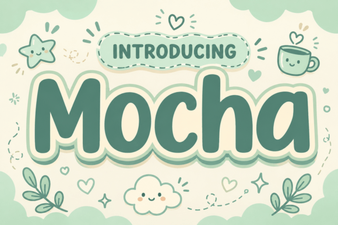 Design Your Website with Motcha Font Style
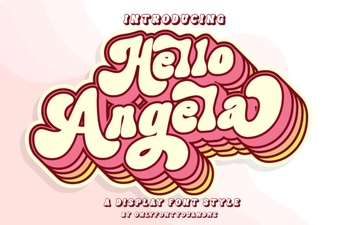 Hello Angela Font: Creative Projects & Design Tips
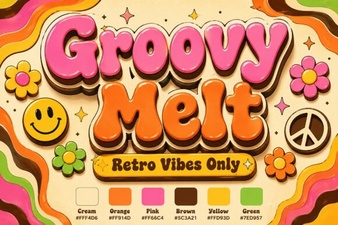 Groovy Melt Font: Style Tips & Creative Ideas
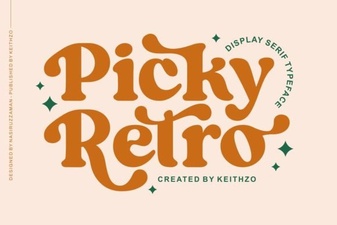 Retro Fonts for Modern Projects: Design and Use
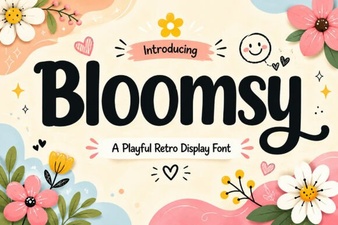 Bloomsy Font: Create Elegant Designs & Typography
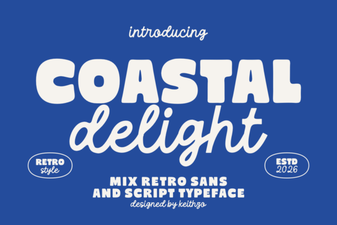 The Coastal Delight Font: a Design Guide