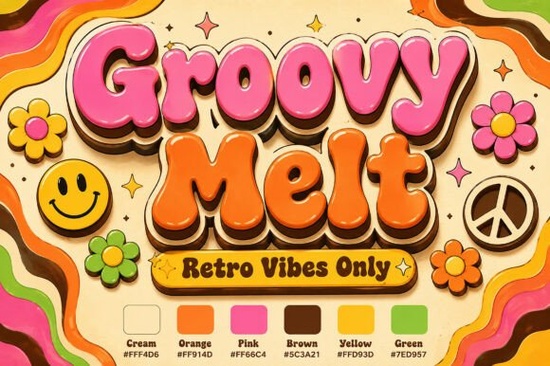
If you need instant eye-catching typography that still feels approachable, a flowing display typeface with a retro finish is often the fastest way to grab attention. The Groovy Melt Font gives you exactly that, delivering chunky, hand-drawn curves that instantly read as playful yet polished. You will see this style pop up everywhere from indie brand logos to weekend market flyers because it combines strong weight with organic movement. When letters sit comfortably together without feeling stiff, your message stays readable even at small sizes on tags and packaging. Creators who browse the main gallery regularly notice how quickly this family integrates into cohesive layouts, and the dedicated asset breakdown at the product showcase section makes finding the right weight variations effortless.
What actually sells when you use liquid-style lettering?
Print-on-demand shops and independent makers rely on fonts that translate cleanly across different materials. This particular face carries enough visual mass to survive laser engraving and screen printing without losing its personality. The thick stems hold ink well, while the softer edges give you room to add secondary details like stripes, halftones, or botanical accents. If you sell stickers or sublimation blanks, the built-in shadow effect reduces the need for extra post-processing steps. You can drop the file straight into your design software, adjust the tracking to fit your label dimensions, and export it at three thousand dots per inch for crisp cut files.
How do you position this typeface in a complete brand system?
Heavy script faces work best when they carry a single focal point rather than crowded blocks of text. Use them for event names, product titles, or short taglines where you want immediate recognition. Pair the main element with a clean sans-serif or a straightforward serif for body copy and care instructions. That contrast keeps your layout breathable and guides the customer’s eye exactly where you placed it. For seasonal collections, swap the background colors to match upcoming trends while keeping the shape structure consistent. A predictable visual rhythm helps shoppers remember your shop faster than constantly shifting styles.
What other display directions complement this retro vibe?
If you are building out a full collection of printable assets, mixing weights and styles prevents visual fatigue. You might explore stacked chunky display sets for headline hierarchies, then switch to friendly handwritten alternatives when drafting social posts or email headers. Coastal themes often benefit from clean nautical scripts that sit lightly beside wave illustrations, while heritage labels look more authentic when paired with ornate classical typefaces. Swapping through these categories gives your catalog enough variety to stand out without diluting your core aesthetic.
Which technical settings keep the melting effect sharp?
Rasterizing too early or compressing exports will blur the subtle gradients that make this style recognizable. Keep your working file in vector format until your final stage, and avoid extreme skew angles that stretch the organic curves beyond their intended proportions. The built-in layering saves time during mockup creation, but you can still separate the highlight and shadow zones in your preferred editor if you need precise color control. Test your output on actual material samples before scaling up orders. Paper stock absorbs ink differently than coated card, and fabric transfers behave differently than adhesive vinyl. Running a quick five-piece test run catches edge issues early and protects your profit margins.
You can preview the full character set, check the license terms, and download the primary package directly from Groovy Melt Font. Reviewing the included web font files and commercial usage guidelines beforehand saves unexpected delays once you commit to a production run.
Before you finalize your next design batch, run through this quick setup routine:
- Verify vector outlines on all curved segments before sending to print vendors.
- Match contrast ratios so light text remains legible against dark backgrounds.
- Keep margin space around melting edges to prevent cutting or cropping errors.
- Test on actual substrates like thermal paper, polyester blanks, and cotton blends.
- Archive original layers so you can tweak colors later without rebuilding artwork.
Start with a small test order, track customer feedback on readability and print quality, then scale the layout once you have confirmed measurements and color profiles.
Download Now Design Your Website with Motcha Font Style
 Hello Angela Font: Creative Projects & Design Tips
 Retro Fonts for Modern Projects: Design and Use
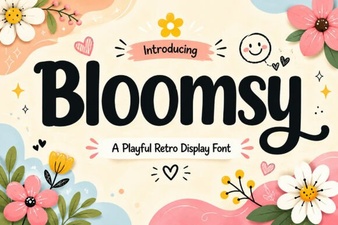 Bloomsy Font: Create Elegant Designs & Typography
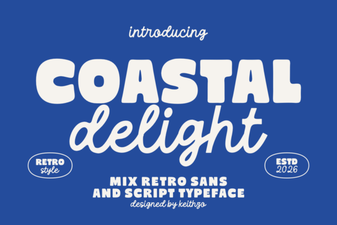 The Coastal Delight Font: a Design Guide
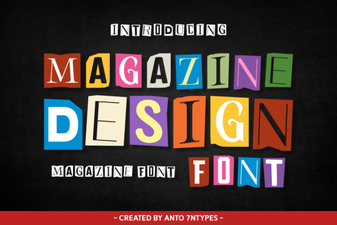 Best Fonts for Magazine Layout & Design