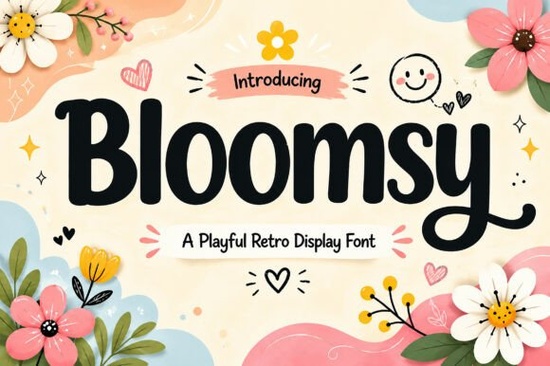
If you need a typeface that feels instantly approachable without losing visual impact, the Bloomsy Font hits the right balance. This playful retro display style relies on soft, chunky letterforms with rounded edges and smooth curves. Designers and crafters frequently choose it for product mockups and social thumbnails because it reads clearly at large sizes while maintaining a handcrafted, welcoming tone.
Retro-inspired lettering endures because it blends nostalgic warmth with modern simplicity. Applied to packaging labels or boutique branding, the thick strokes and gentle arcs guide the eye naturally across your layout. Small business owners often pair it with minimalist line art or matte pastel backgrounds to build cohesive identities that feel current.
What makes this character set versatile for different materials?
The design provides both uppercase and lowercase glyphs alongside a complete set of numbers and punctuation. Multilingual support keeps your text legible across global markets, which proves valuable when shipping handmade goods worldwide. Consistent stroke weight and open counter spaces allow the letters to remain sharp even when scaled down for stickers or embroidery transfers.
Building a complete brand suite usually requires mixing styles for visual hierarchy. Fonts like Varsity Narrow deliver clean contrast for menus and instructions, while Motcha introduces a softer serif tone for longer passages. You can also try Groovy Melt for fluid accents, or Hello Angela to add a relaxed script vibe beside structured headers. Coastal Delight rounds things out with a breezy finish ideal for seasonal drops.
How does installation change your daily routine?
Setting up the file works identically on Windows or macOS. Extract the archive, double-click the included type files, and confirm the installation via your system font manager. Restarting your design software activates the characters immediately. The package utilizes PUA encoding, which unlocks alternate symbols and decorative ligatures without crowding your main dropdown menu. This keeps your workspace organized while preserving creative flexibility.
Which projects highlight its strengths most effectively?
Greeting card designers favor this geometry because it echoes genuine handwriting without feeling messy. Invitation suites gain elegance from the natural rhythm of the capitals, particularly when combined with thin accent lines. Print-on-demand sellers report stronger click-through rates on apparel tags and tote bags where thick outlines capture attention quickly. Large social media headers also perform well when layered with translucent color blocks for added depth.
Kids’ product branding stays engaging when backgrounds remain subdued, letting the typography carry the energy. Retail packaging benefits from subtle geometric frames that organize shelves neatly. Vinyl cutter operators trim closely along the contours, trusting the wide spacing between stems to prevent material tearing during routing.
How do you preserve legibility across varying scales?
Headlines require careful tracking so each curve maintains breathing room. Cramped spacing causes rounded edges to collide, creating visual clutter. Always preview compositions at actual print sizes to judge white space behavior on different substrates. High-resolution exports remain essential before submitting files to commercial printers. You can review live examples on Bloomsy Font to benchmark your spacing against proven layouts.
Vertical alignment heavily impacts readability. Light body text creates strong contrast when positioned beneath heavy display caps. Match cap heights to x-height ratios before locking in multi-line arrangements. Increasing line spacing by ten to fifteen percent accommodates tall ascenders and descenders without triggering overlap warnings in your editor.
What checkpoints should you run before finalizing?
- Manually adjust kerning around angular letters like A and V to close uneven gaps.
- Outline text solely for machine-cut outputs, keeping untouched layers saved for future edits.
- Review color palettes in black and white to guarantee sufficient contrast thresholds.
- Confirm commercial licensing covers your expected unit counts before listing on retail platforms.
Simple workflow checklist for faster turnaround
- Verify all glyphs render correctly in your primary canvas before adding effects.
- Document preferred size scaling and color hex codes in a reusable template.
- Generate three distinct layouts testing top-heavy, centered, and asymmetric placements.
- Export ready-to-print files at 300 DPI with minimal transparency layers to safeguard sharp corners.
Follow this sequence consistently and you will reduce revision rounds while maintaining steady output. Archive your best-performing mockups in a dedicated drive so upcoming clients instantly recognize your reliability.
Get Started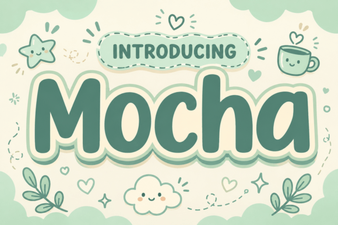 Design Your Website with Motcha Font Style
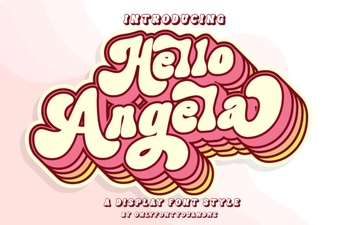 Hello Angela Font: Creative Projects & Design Tips
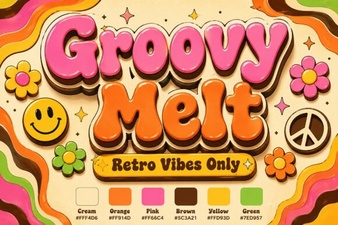 Groovy Melt Font: Style Tips & Creative Ideas
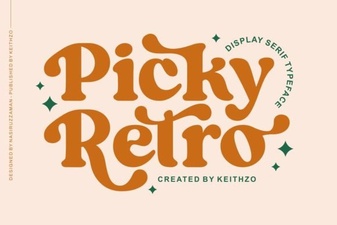 Retro Fonts for Modern Projects: Design and Use
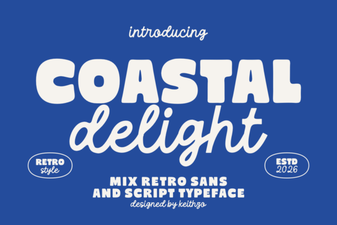 The Coastal Delight Font: a Design Guide
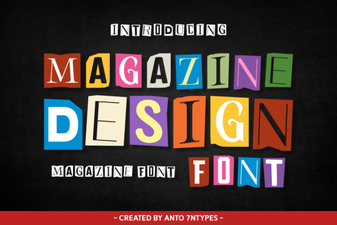 Best Fonts for Magazine Layout & Design