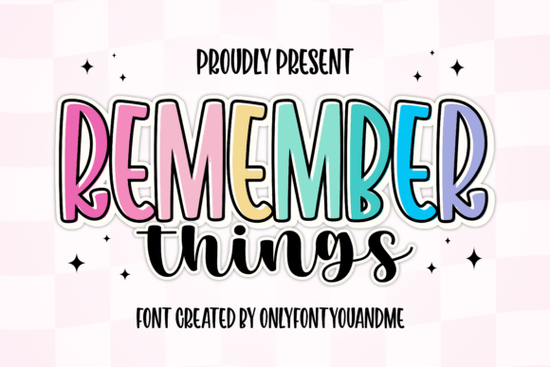
If you are searching for a typeface that brings instant energy to product labels, merch prints, or social graphics, Remember Things Font pairs a bold display face with a fluid script to handle both roles efficiently. The main letterforms stand tall and slightly exaggerated, giving you strong visual presence even at smaller scales. A built-in outline layer adds a sticker-ready finish without requiring extra vector tracing. On the other side, the accompanying handwriting style flows like a soft brush stroke, keeping the overall look approachable rather than rigid. When placed together, the contrast creates clear hierarchy, which makes it easier for viewers to scan your message before deciding to engage.
Why does this two-part style work better than a single font?
Graphic design relies heavily on contrast, and combining a structured display face with a relaxed script solves most layout problems. The first half of the family provides weight and geometry, while the second half introduces organic movement. You will notice how quickly your eye travels from the headline down to supporting copy when the weights differ enough to create separation. Crafters often pair these styles on product tags, where the bold portion catches attention from across a shelf and the softer handstyle invites closer inspection. Print-on-demand sellers frequently stack them on mugs and tote bags because the thick strokes hold up well during heat pressing, and the lighter background text remains legible after multiple wash cycles.
How should you handle the sticker-effect outline?
That decorative stroke around the primary letters changes how you approach spacing and color placement. Because the outline adds visual width, you need slightly more tracking than you would with a solid shape. Leaving breathing room between characters prevents the negative space from collapsing into a muddy blob. Many creators experiment by placing the outlined letters over muted backgrounds or textured paper mockups to let the white gap pop. If you prefer a cleaner aesthetic, you can remove the stroke layer entirely in your vector software and rely on the base form. For reference on how outlines interact with different substrates, designers often test proofs on cardstock before scaling to large-format signage. You can explore similar layered techniques by checking out Coastal Delight for nautical-themed layouts or browse Old Vintage Victorian III when you need heavier borders for retro packaging. Sticking to one proven system keeps your brand assets consistent across seasons.
Which project types benefit most from this pairing?
Beyond apparel and stickers, this combination adapts quickly to editorial touches, digital planners, and small business branding kits. Magazine editors sometimes borrow the bold-to-script rhythm for pull quotes or section dividers, especially when typography needs to feel conversational rather than corporate. If you run a boutique shop, you might place the heavy face above a store slogan while reserving the flowing handstyle for delivery notes or thank-you cards. Digital creators also appreciate the balance when designing thumbnail templates, because the primary shapes draw clicks while the secondary lines soften the overall composition. Other popular duos like Magazine Design or Selina Daniel Duo Font offer different mood profiles, but exploring this specific collection helps you see how balanced contrast improves readability across different mediums.
What file formats do you get, and how do you install them?
Creative Fabrica delivers ready-to-use TrueType and OpenType files that support standard Adobe apps, Canva uploads, and Silhouette Studio projects. Most packages include variable weights, ligatures, and separate outline layers so you can toggle effects without downloading new files. Installation takes under a minute on Windows or macOS. After extracting the zip folder, right-click the font file and select install, then restart your design program to see the full character set. Always double-check kerning pairs in your layout software, because auto-spacing occasionally tightens narrow letter combinations like AV or To. Testing a quick proof on your actual printing surface helps catch alignment issues before bulk production.
Can you trust the licensing for commercial projects?
Yes, but reading the specific agreement matters. Creative Fabrica grants extended commercial licenses that cover physical goods sold online, including POD platforms, local markets, and wholesale orders. Digital products like template packs, e-books, and social media courses also fall under permitted use, though resale of the raw font file itself remains restricted. Keeping a copy of your purchase receipt linked to your storefront protects you during audits. For transparent usage guidelines, visit Remember Things and review the creator terms page before uploading your final artwork. Clear documentation saves time when scaling production volumes.
Quick checklist before you export your design
- Verify that the outline layer sits behind or clearly separated from adjacent text blocks to maintain readability.
- Test your layout at 100% size on a printer-proof sheet to check stroke thickness against your material texture.
- Convert all letterforms to outlines only after finalizing text edits, since editable mode preserves font features and fallback options.
- Export your artwork as high-resolution PNG or PDF depending on whether your printing partner requires transparency or embedded vectors.
- Keep a backup folder organized by project date, making future revisions faster when clients request minor tweaks.
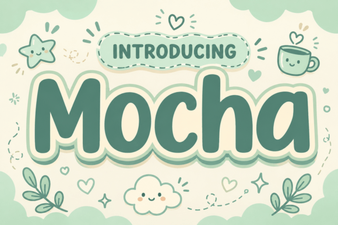 Design Your Website with Motcha Font Style
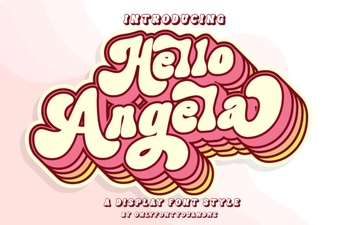 Hello Angela Font: Creative Projects & Design Tips
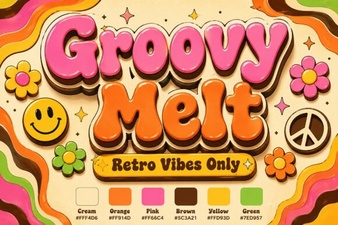 Groovy Melt Font: Style Tips & Creative Ideas
 Retro Fonts for Modern Projects: Design and Use
 Bloomsy Font: Create Elegant Designs & Typography
 The Coastal Delight Font: a Design Guide