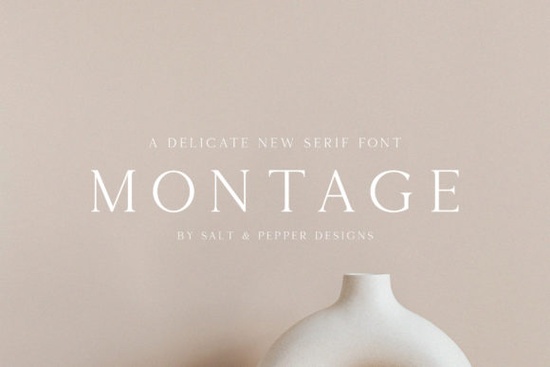
If you are looking for a typeface that brings quiet refinement to your layouts, Montage Font delivers exactly that. This elegant serif features thin letterforms that carry a refined editorial feel without sacrificing readability. Whether you run a small boutique, sell print-on-demand apparel, or enjoy hands-on crafting, working with delicate typography often separates amateur projects from polished pieces. The character set is built for clean spacing, making it easy to layer over textures or pair with bold sans-serifs.
What actually sets thin serif typefaces apart in everyday design?
Delicate serif fonts differ from heavy display type because they rely on fine contrasts between thick and thin strokes. That contrast creates a sense of movement, especially when used for headlines, invitations, or logo marks. When placed on cream paper or matte packaging, the eyes naturally track the gentle curves rather than fighting against aggressive weight. Many typographers prefer this approach for lifestyle brands that want to communicate trustworthiness. You can explore more curated selections in our editorial serif collection to compare stroke widths across similar releases.
Which commercial projects benefit most from light serif typography?
The versatility of a refined thin lettering style spans several creative industries. Fashion labels frequently use it for lookbooks because the airy proportions complement minimalist photography. Skincare startups lean toward it for ingredient lists where legibility at small sizes matters. Digital creators also drop it into social media templates to maintain visual hierarchy without overwhelming the background. If you manufacture cut files for vinyl planners or DTG prints, this kind of typeface reduces ink bleed and keeps fine details crisp.
Wedding stationery remains one of the strongest use cases. A thin serif carries classic warmth while remaining fully scalable for digital proofs or large banners. Hobbyists who make scrapbook pages appreciate how easily the letters integrate with watercolor washes. For those who regularly update their asset library, checking out fresh additions like the latest refined typeface releases helps keep your project archives current and market-ready.
How should creators prepare delicate lettering for final production?
Thin strokes demand careful file preparation to avoid losing detail during printing. Always export your master document at 300 DPI minimum, and convert all text to outlines before sending it to a commercial printer. If you plan to laser engrave the design, increase the stroke thickness slightly in your vector software to compensate for kerf width. Screen-based projects benefit from adjusting letter-spacing by two to five percent, which prevents the thin serifs from merging at small viewport sizes. You can preview how a specific style behaves by testing Montage Font directly on the marketplace layout tool before purchasing commercial rights.
Where does this style fit in long-term brand development?
Building a cohesive visual system takes more than picking a single attractive typeface. Consistent spacing, restrained color palettes, and purposeful white space amplify the quiet authority of delicate lettering. Small business owners often see faster recognition when they pair a refined headline font with a sturdy body text that maintains high reading efficiency. Crafters can achieve studio-quality mockups by keeping background elements muted and letting the typography carry the focal point. Over time, this disciplined approach reduces redesign cycles and keeps your storefront visually consistent.
Quick implementation checklist
- Set headline size at least four times larger than your body copy to preserve thin-stroke clarity.
- Apply a 2% to 4% negative tracking adjustment for screen displays under 400 pixels wide.
- Convert text to paths and verify all anchor points before submitting print files.
- Test black output on your chosen substrate to catch faint serifs that may disappear on recycled paper.
- Keep line height between 1.3 and 1.5 times the font size for comfortable reading flow.
Next, open a fresh document in your preferred design software, apply the type to a blank canvas, and adjust the leading until the eye rests comfortably between lines. Once you lock in those spacing values, duplicate the artwork, swap out the text blocks, and rebuild your templates. This straightforward workflow saves hours later and guarantees that every layout ships ready for production.
Get Started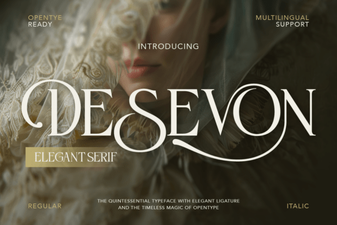 The Desevon Font: Clean & Creative Modern Typography
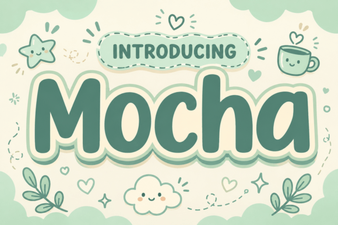 Design Your Website with Motcha Font Style
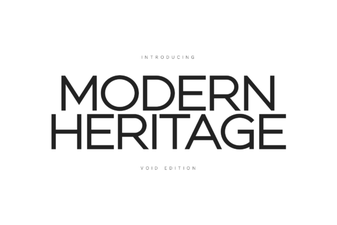 Modern Heritage Fonts for Creative Projects
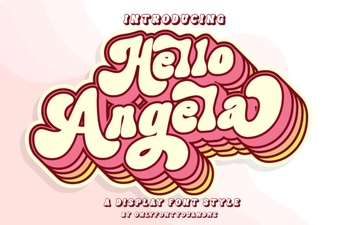 Hello Angela Font: Creative Projects & Design Tips
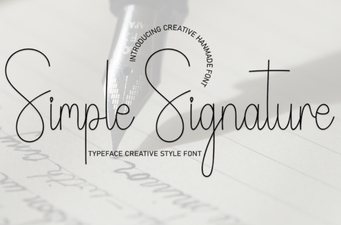 Clean & Creative Projects Using Simple Signature Fonts
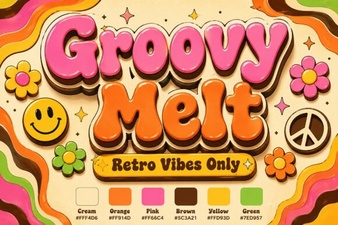 Groovy Melt Font: Style Tips & Creative Ideas