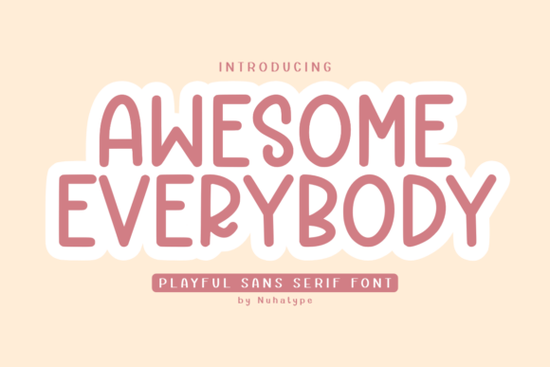
If you need a lettering style that feels warm without sacrificing readability, this particular typeface delivers exactly that balance. The Awesome Everybody Font features a bold yet approachable structure with rounded edges and consistent stroke weight, making it highly effective for projects that require immediate visual appeal. Whether you are laying out classroom handouts, designing a neighborhood flyer, or setting up social media banners, this display face handles short headlines efficiently while keeping the overall composition clean. Designers often reach for it when they want to communicate friendliness quickly, especially in markets where trust and accessibility matter most.
What makes this style work better than standard bold headings?
Most heavy display faces lean toward sharp corners or rigid geometric spacing, which can feel distant or overly commercial. This option takes a different route by softening the terminal strokes and maintaining a relaxed baseline rhythm. Those subtle adjustments prevent the letters from clashing with surrounding graphics or photography. When placed alongside simple icons or flat color blocks, the type sits comfortably without competing for attention. Crafters frequently notice how well it scales across different media, from crisp vinyl decals to slightly textured fabric transfers. If you prefer more structured alternatives for corporate presentations, you might also explore Motcha for cleaner geometric lines, or Preppy Crush when you need stronger contrast between thick and thin stems.
How should I apply it for educational materials and community events?
School newsletters, parent-teacher guides, and local fair posters all benefit from typography that reads easily at a glance. This font’s generous proportions and open counters allow younger readers to recognize individual characters faster, which reduces visual fatigue during long worksheets or activity booklets. Event organizers typically reserve it for main stage backdrops, registration tables, and directional signs because the bold weight holds up well against busy backgrounds. Pair it with plenty of white space and keep line lengths reasonable so the layout never feels cramped. For additional inspiration on mixing casual display faces with supporting text, checking out Remember Things can show you how to balance decorative headers with highly readable body copy.
Where does it fit best inside a cohesive brand system?
Small service providers often look for a primary heading face that conveys reliability while still feeling personal. You can position this lettering over solid brand colors, gradient overlays, or lightly textured paper backgrounds to strengthen that impression. Because the design avoids extreme stylization, it pairs smoothly with straightforward sans serifs or classic serif subheadings. That flexibility keeps your visual identity consistent across business cards, email signatures, and packaging labels. Many creators combine it with understated geometric patterns to maintain professionalism without appearing too rigid. If your current palette leans coastal or resort-inspired, testing Coastal Delight nearby might give you a complementary secondary accent for promotional flyers or seasonal menus.
Is commercial licensing straightforward for printable products?
Yes, but reading the exact license terms on the platform remains essential before uploading to third-party marketplaces. Most subscriptions cover physical merchandise, digital downloads, and social media promotions, though some creators restrict unlimited client projects or require attribution. Verify whether the file includes full character sets, kerning pairs, and alternative weights if you plan to build multi-line layouts. Once confirmed, you can safely generate mockups, adjust tracking for logo drafts, and export high-resolution files for direct-to-garment printers. For broader research on how font licenses work across different crafting niches, visiting Awesome Everybody provides updated marketplace details and usage guidelines.
Before launching your next series of print-on-demand listings, follow this quick prep checklist to avoid common formatting mistakes:
- Test the headline at actual output dimensions rather than relying on zoomed-in preview screens.
- Export your base files in CMYK mode to guarantee accurate ink coverage for physical products.
- Set a minimum clear space around the lettering so decorative elements never touch the outermost strokes.
- Save layered project files in editable formats to accommodate minor client revisions later.
- Verify background contrast ratios to meet basic readability standards across mobile and desktop views.
Running through these steps consistently will help you maintain steady delivery timelines and reduce revision requests throughout the year.
Explore Design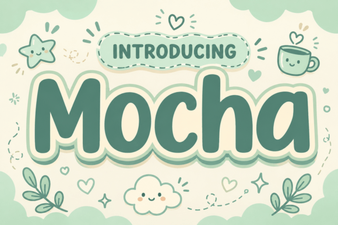 Design Your Website with Motcha Font Style
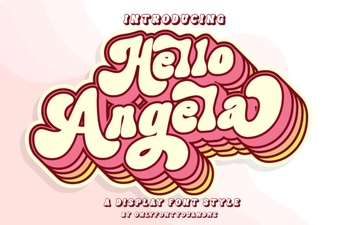 Hello Angela Font: Creative Projects & Design Tips
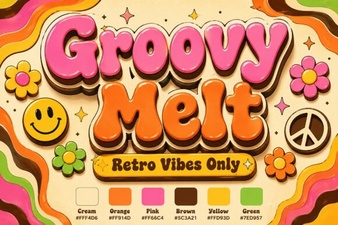 Groovy Melt Font: Style Tips & Creative Ideas
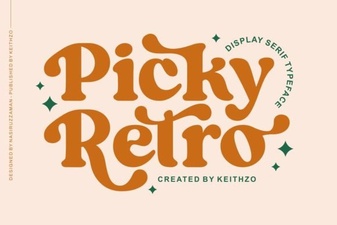 Retro Fonts for Modern Projects: Design and Use
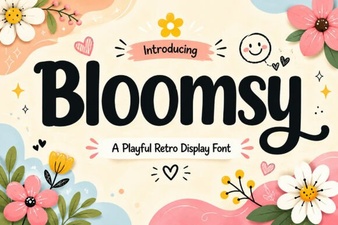 Bloomsy Font: Create Elegant Designs & Typography
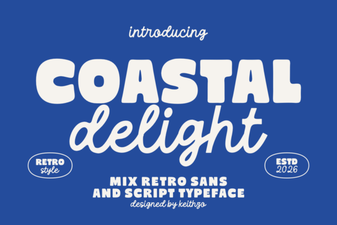 The Coastal Delight Font: a Design Guide