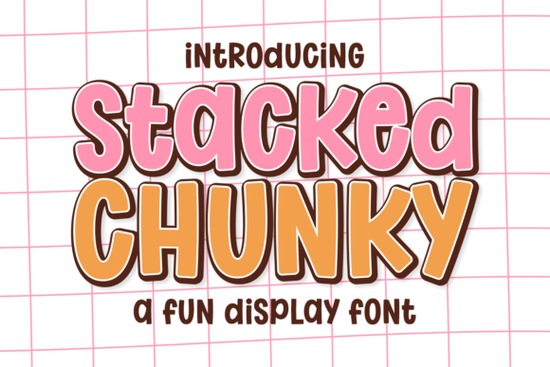
If you need a typeface that brings immediate energy to your layouts without sacrificing readability, Stacked Chunky Font delivers exactly that kind of spirited presence. The rounded edges soften the heavy weight, making it feel approachable rather than overwhelming. Crafters, small business owners, and digital creators often reach for this style when they must grab attention quickly while keeping a lighthearted tone. Whether you are designing children’s merchandise, summer event flyers, or casual mobile game menus, this display type anchors your composition with a consistent burst of cheer. You can explore the complete family at Stacked Chunky Font.
Why does this display type handle bold letters without feeling rigid?
Unlike sharp-edged block fonts that can read as aggressive, this cut features smooth transitions and generous curves. Those subtle round corners act like visual padding, allowing the letters to bounce off the page while staying grounded. When you space characters correctly, the negative space remains clean enough to read from a distance. That balance matters most when scaling artwork for large format prints or shrinking designs down for social media avatars. The structure quickly establishes a brand voice that feels youthful yet professional. Mixing it with a lighter supporting type keeps the hierarchy clear, which is why many creators pair it with flowing scripts or simple sans serifs to maintain focus.
Where do crafters and POD sellers typically apply this weight?
The solid structure holds up beautifully across physical goods and digital files. On packaging, the thick strokes catch light and color variations, making product labels stand out on crowded shelves. Birthday banners and party invitations benefit from the same sturdy silhouette, especially when paired with watercolor accents or die-cut templates. Digital planners favor the shape because the blocks leave plenty of room for sticker borders and drop shadows. You can easily apply a crisp white outline or a sticker-style offset layer to make lettering pop against busy backgrounds. For content creators, these characteristics translate directly into higher visibility on video covers, since the eye catches heavy, rounded forms faster than thin lines. If you need something slightly more structured for mixed typography experiments, Motcha Display offers a cleaner geometric alternative that pairs well here.
How should you arrange colors and decorative elements?
Bright palettes bring out the candy-shop warmth built into the curves. You can run single words through gradient fills, stack multiple solid shades for a retro effect, or keep everything monochromatic with a subtle texture overlay. When adding embellishments, restraint usually wins. Hand-drawn stars, simple circles, or thin accent lines frame the lettering without competing for attention. Avoid wrapping dense patterns around tightly kerned text, since visual noise will fight the natural rhythm of the shapes. Keeping generous margins around wide words prevents crowding, and center alignment works best for short titles while left alignment reads more naturally for longer phrases. Exploring Honey Script Style shows you how soft handwritten strokes balance heavy block letters during layout testing.
What spacing rules prevent the letters from looking cramped?
Chunky displays thrive on breathing room. Tight tracking forces the curved terminals to collide, which muddies readability and ruins the intended bounce. Increase character spacing by ten to fifteen percent above default, then adjust line height so descenders never touch the baseline below. Test your compositions at actual print size before finalizing, since screens often hide micro-collisions. When combining multiple weights or adding background graphics, step back and squint at the canvas; the boldest element should always remain the primary headline. If you ever need a softer counterbalance for longer text blocks, Bloomsy Typeface Family provides gentle contrasts that won’t distract from the main message. Reviewing Preppy Crush Samples often reveals clever margin techniques that preserve clarity during mass production.
Can beginners handle the licensing and file setup smoothly?
Modern creators download ready-to-use OpenType and TrueType bundles that install directly into standard design software. After extraction, simply activate the family through your operating system or creative application. File previews usually include sample layouts that demonstrate proper leading and kerning pairs, saving hours of trial-and-error adjustments. Keep a separate folder for exported mockups so you can review spacing decisions before committing to production runs. Testing export settings at three hundred dpi guarantees crisp edges for cutting machines and reliable color matching for home printers. Once you establish a reliable workflow, applying consistent spacing and limited color stacks becomes automatic.
- Check character spacing at full size before exporting.
- Verify color contrast against your chosen background.
- Test a sticker border preview for digital products.
- Confirm print resolution matches your cutter settings.
- Save three distinct color variants for seasonal updates.
Keeping this routine simple reduces revision cycles and produces consistently polished results every time.
Try It Free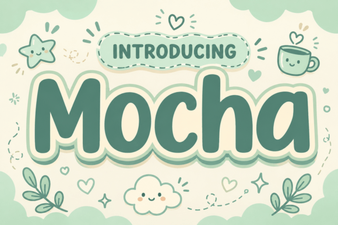 Design Your Website with Motcha Font Style
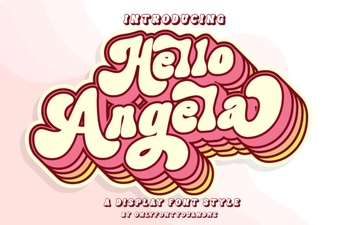 Hello Angela Font: Creative Projects & Design Tips
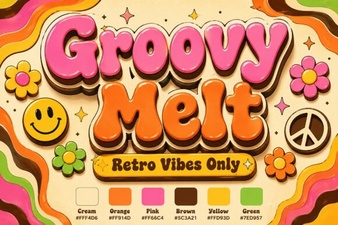 Groovy Melt Font: Style Tips & Creative Ideas
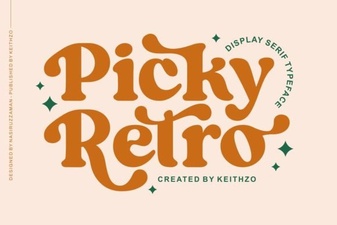 Retro Fonts for Modern Projects: Design and Use
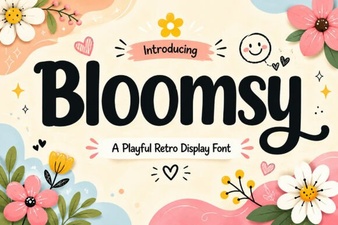 Bloomsy Font: Create Elegant Designs & Typography
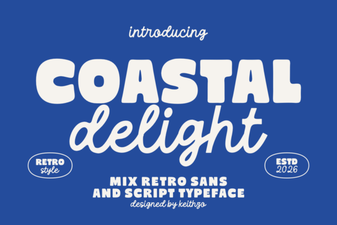 The Coastal Delight Font: a Design Guide