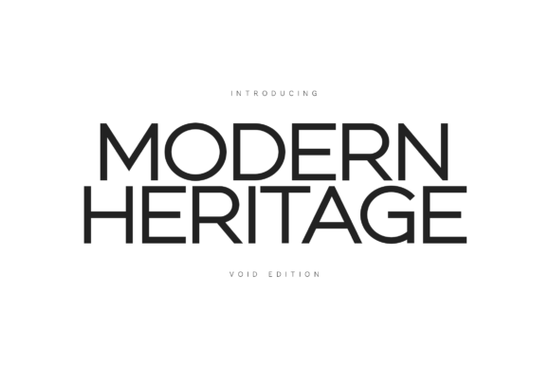
If you are looking for a typeface that brings structure without feeling rigid, Modern Heritage Font offers a clean, architectural approach to everyday branding. Designed with a “Void Edition” mindset, it uses negative space intentionally so your message reads clearly even at smaller sizes. The generous x-height and uniform stroke weights give it a balanced presence that works well across digital screens and printed materials alike.
Why does this high-contrast sans-serif handle dense layouts so well?
Swiss typography has long taught us that clarity comes from restraint. This design follows that principle by keeping line thickness consistent while allowing letterforms to breathe. You will notice how the wide apertures and open counters prevent visual crowding, which is especially helpful when you are designing product packaging, business cards, or website headers. The sharp angles and precise geometry also help maintain a polished look across different media, from embroidery files to large-format banners.
Who benefits most from using this style in their projects?
Architectural studios often lean toward structured typefaces because they mirror the precision of blueprints and material samples. Interior designers appreciate how it complements neutral palettes and clean furniture lines. For those running print-on-demand shops, the crisp legibility translates well onto apparel, stickers, and mugs without losing definition during heat press transfers. Small businesses and creative hobbyists also find it useful for naming conventions, event invitations, and social media templates where readability matters more than decorative flair.
How can you combine it with other fonts for better hierarchy?
Pairing this main display option with softer alternatives usually creates a balanced composition. When you need a complementary text font, something with a warmer curve or relaxed spacing prevents the layout from feeling too sterile. You might explore clean geometric options like Mansory for body copy, or lean into bold display styles such as TRT Burn if you want strong contrast on cover pages. For handwritten accents that soften the overall tone, a versatile humanist choice like Brisca adds a personal touch without competing with the primary headline. To see exactly how this family handles different weights, visiting the official showcase lets you toggle through examples before you download anything.
What technical details matter before purchasing or installing?
Most professional packages include multiple weight variations, ligatures, and punctuation sets that support international character requirements. Before you drop any files into your design software, verify that your vector program supports OpenType features, since substitution rules and alternate glyphs often live there rather than in standard menus. Testing your chosen layout at actual print dimensions saves time during proofing, especially when working with fabric transfers or acrylic cuts. When exporting for sublimation or direct-to-garment printing, embedding the correct encoding prevents missing characters on automated cutters. Crafters who work with vinyl plotters should outline their text early in the cutting phase to avoid registration shifts during weeding. Designers building brand guidelines will find it easier to establish grid systems around the font’s predictable vertical rhythms. Whether you are preparing a storefront sign or a minimalist logo mark, understanding how ink spreads on paper versus how pixels render on mobile screens keeps your final output accurate. If you want to review the full feature set or compare it with similar releases, you can always check the official listing for Modern Heritage Font to see demo files and licensing terms side by side.
What should you verify before finalizing your project files?
- Proofread at 100% scale: Zoom out to view spacing and alignment at full size.
- Convert outlines for print: Ensure all paths are closed and bleed margins match your printer’s template.
- Check color mode: Switch RGB files to CMYK or specify Pantone codes before sending to a vendor.
- Save layered backups: Keep editable source files separate from flattened exports for future updates.
Start by setting up a simple mockup on a plain background. Adjust tracking until the letters feel evenly spaced, then apply the type to your preferred medium. When you test a few quick variants, you will quickly see how much cleaner your designs become with controlled typography.
Download Now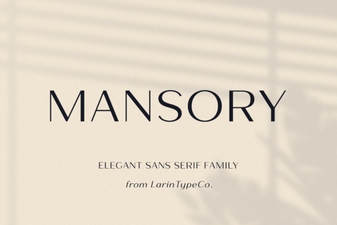 The Mansory Font: Design for Luxury and Impact
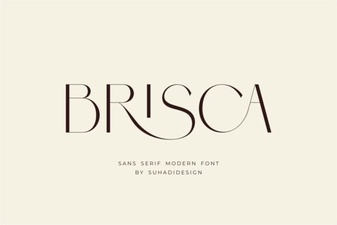 Brisca Font: Free Download & Creative Design Ideas
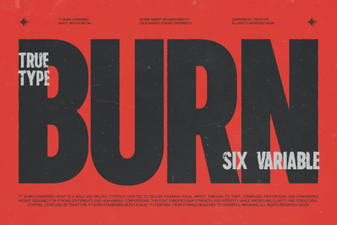 Trt Burn Font for Creative Print Design Projects
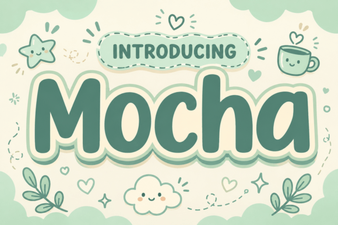 Design Your Website with Motcha Font Style
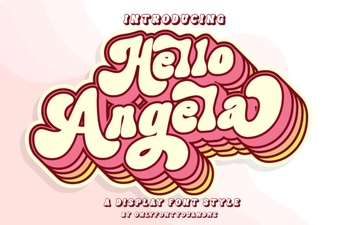 Hello Angela Font: Creative Projects & Design Tips
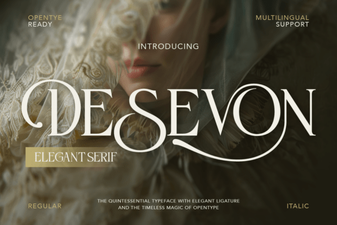 The Desevon Font: Clean & Creative Modern Typography