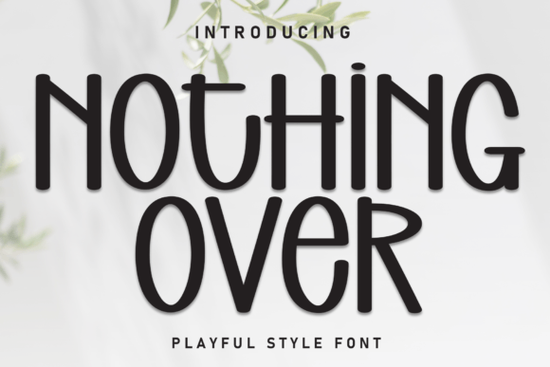
When you need a typeface that feels warm, approachable, and instantly engaging, a well-crafted handwritten display font usually does the heavy lifting. Designers and small business owners often look for something that breaks away from rigid sans-serifs while remaining highly readable across various media. That is exactly where Nothing over Font Font steps in. Its flowing strokes and relaxed baseline give letters a personable rhythm, making it easy to drop into layouts without fighting for visual hierarchy.
What makes a handwritten display typeface feel authentic?
Authenticity in lettering comes down to subtle imperfections and consistent weight distribution. A great script avoids being overly mechanical. Instead, it mimics how a pen or brush naturally moves across paper. The curves in this style lean toward sweetness and friendliness, which explains why it works so well for personal branding and community-focused projects. You will notice how the terminals taper gently, creating an airy feel that prevents busy compositions from looking cluttered. If you prefer a more structured signature look, you might also explore clean line variations later, but for now, focusing on charm pays off when testing this handwritten display style alongside simpler weights.
Where do crafters typically use playful script typefaces?
Handwritten styles thrive in environments that value human connection. Wedding stationery remains one of the most reliable markets because couples want their paperwork to reflect genuine emotion rather than corporate neutrality. Artistic greeting cards follow closely, especially those celebrating birthdays, holidays, or handmade gifts. Print-on-demand sellers frequently layer these letters onto apparel, mugs, and tote bags, knowing that casual typography converts better on platforms like Etsy or Amazon Merch. You can easily swap in seasonal themes by combining it with nature-inspired illustrations, much like the vibe found in rustic autumn collections.
How should you pair it with supporting graphics?
Balancing an expressive headline requires careful spacing and restrained decoration. Since the letterforms already carry personality, they do not need heavy backgrounds or competing patterns. Stick to soft watercolor washes, thin geometric dividers, or ample white space to let the text breathe. When building full pages, consider anchoring the script with a neutral body font to maintain readability for longer paragraphs. Small shop owners often pair similar styles with delicate floral accents to create cohesive brand kits. Remember that alignment matters just as much as color choice; centering works beautifully for invitations, while left-aligned layouts suit modern storefront signage.
What steps help you prepare files for commercial use?
Before uploading anything to marketplaces or sending proofs to clients, run through a quick quality check. Convert outlines to prevent unexpected glyph substitutions during production. Test contrast ratios by placing light-colored text over darker mockups to ensure legibility at smaller sizes. Export high-resolution PNGs for transparent backgrounds and PDFs for print vendors who require bleed margins. If you plan to bundle the typeface with matching stickers or wall art, verify licensing terms directly through the creator dashboard. Many independent studios share free trial versions on Nothing over Font Font so you can experiment risk-free before committing to a full purchase.
How does this style compare to weekend-ready alternatives?
Not every project demands the same level of formality. Casual retail tags, DIY workshop flyers, and beginner-friendly craft tutorials often respond better to relaxed scripts that feel effortless to read. You can see the difference when comparing weekend-themed drafts against highly polished calligraphy packs. The latter tends to shine in luxury packaging, while softer handwriting suits approachable lifestyle brands. Keeping a few varied options in your asset library allows you to pivot quickly when client feedback shifts direction. Mixing organic shapes with straightforward layouts creates visual tension that actually guides the eye toward important information.
Ready to implement it in your workflow?
Testing different composition methods will reveal which layouts maximize impact. Keep a dedicated folder for successful combinations, label files clearly, and track conversion rates when applying new typography to live products. Here is a quick action plan to get started:
- Download the trial pack and install the OpenType file on your primary workstation.
- Create three draft concepts: one centered invitation mockup, one side-loaded social post, and one product tag layout.
- Adjust tracking and leading until negative space feels balanced around ascenders and descenders.
- Export final proofs at 300 DPI for print vendors and 72 DPI for web previews.
Taking these measured steps ensures your designs remain professional, consistent, and ready for real-world distribution. Once you find your preferred spacing ratio, apply it across future campaigns to build recognizable visual identity.
Learn More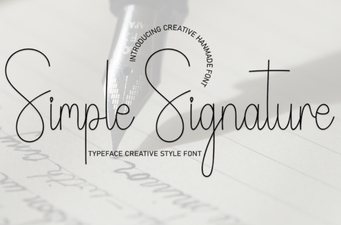 Clean & Creative Projects Using Simple Signature Fonts
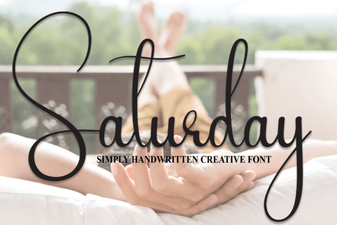 Saturday Fonts for Creative Web Design Projects
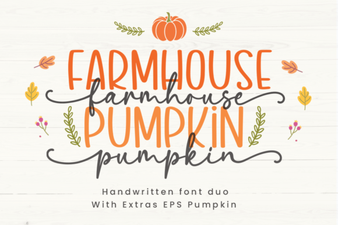 Farmhouse Pumpkin Fonts for Creative Fall Projects
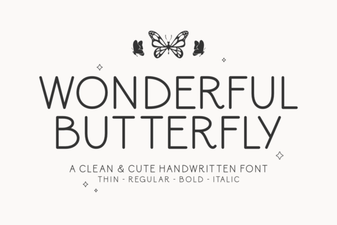 Wonderful Butterfly Fonts for Creative Projects
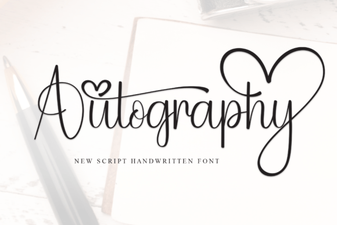 Craft Unique Documents with the Autography Font
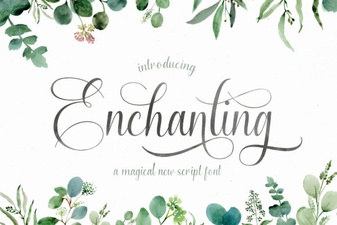 Elevate Your Designs with Elegant Script Fonts