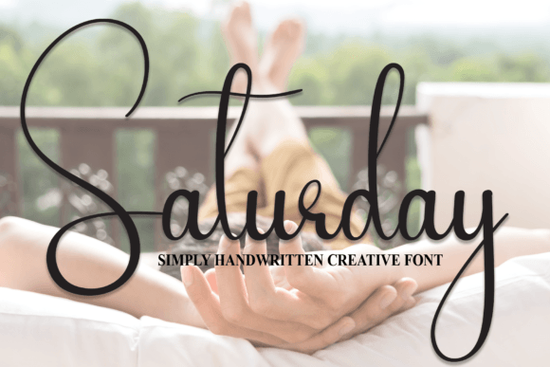
If you need a typeface that feels approachable without sacrificing readability, Saturday Font delivers exactly that. It is a straightforward handwritten style that mimics everyday pen strokes while staying clean enough for professional use. Crafters, print-on-demand creators, small business owners, and casual hobbyists often look for lettering that adds warmth without overwhelming a layout. This option fills that gap by offering consistent spacing, clear letterforms, and a relaxed rhythm that works across both digital and physical media. You can drop it into weekly planners, tag designs, social graphics, or short presentation slides without worrying about awkward kerning or hard-to-read edges.
Why does a casual script like this stay readable at smaller sizes?
Many decorative alphabets stretch too thin when reduced, which forces users to add heavy outlines or drop shadows to maintain visibility. Saturday avoids that trap by keeping stroke weights balanced and x-heights relatively tall. When you reduce it to twelve or fourteen points, each character still retains its open counters and smooth curves. That makes it ideal for labels, ingredient lists, or address blocks where crispness matters. You will notice the same stability whether you are printing onto vinyl stickers or exporting a PNG for an online store listing.
How should you apply it across different creative workflows?
The flexibility comes from its neutral personality. It does not try to mimic vintage typewriters or elaborate calligraphy, which means it pairs easily with structured sans serifs, classic serif headings, or even basic geometric shapes. Small retailers often use it for storefront signage drafts, wedding invitation layouts, or seasonal greeting cards because the tone stays polite and unobtrusive. Digital planners benefit from the steady baseline, while craft enthusiasts appreciate how it cuts cleanly on die-cut machines. Even presenters find it works well for slide titles or agenda lists that need a personal touch rather than corporate stiffness.
What complementary styles should you explore alongside it?
Building a cohesive kit usually means mixing contrasting weights and moods. If you want something slightly more structured for body copy, you might look through alternatives focused on delicate looping scripts. For autumn-themed merchandise or rustic branding, exploring rustic harvest lettering options gives you those cozy, textured accents. When your project needs a lighter accent, checking lighter decorative variations provides sweeping flourishes that balance straightforward lettering. Designers who prefer cleaner lines sometimes switch to clean hand-drawn signatures for contact details or autograph-style touches. Of course, revisiting the complete saturday font collection ensures you do not miss alternate glyphs or bonus weights.
Where can you preview the complete character map?
Before committing to a full project, it helps to test uppercase, lowercase, numbers, and punctuation together. A direct look at saturday font lets you verify spacing rules and see how special characters align with standard letters. Most previews include sample paragraphs so you can judge overall texture before downloading.
- Verify file formats before purchasing ensure you receive both TTF and OTF versions for maximum software compatibility.
- Test at actual output size by pasting a short sentence into your design tool and scaling it to your final dimensions.
- Pair with a neutral background when printing to preserve contrast, especially if applying heat transfer or adhesive vinyl.
- Check licensing terms carefully if you plan to sell finished goods, since some plans cover commercial products while others restrict resale.
You can start small by adding a single phrase to a mockup product shot. Once you confirm how it scales and prints, expand the usage across your entire branding system or craft collection.
Explore Design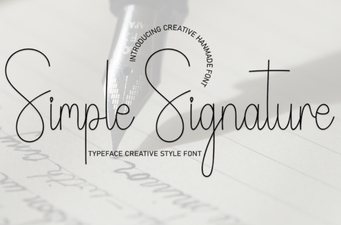 Clean & Creative Projects Using Simple Signature Fonts
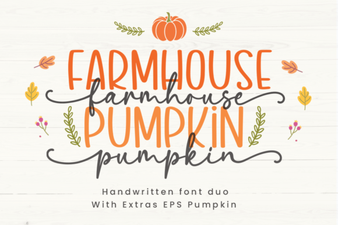 Farmhouse Pumpkin Fonts for Creative Fall Projects
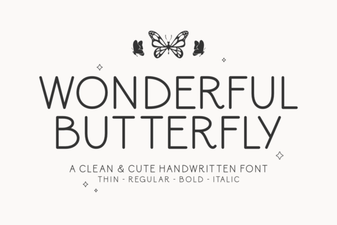 Wonderful Butterfly Fonts for Creative Projects
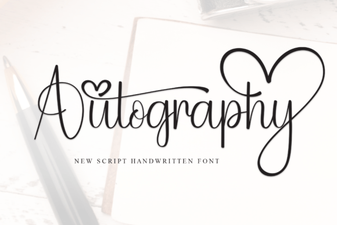 Craft Unique Documents with the Autography Font
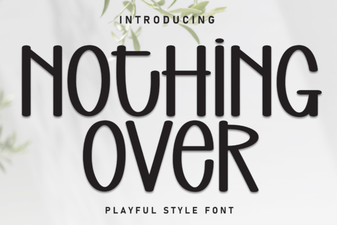 Designing Without Over-Focusing on Font Choices
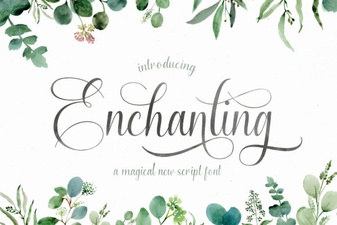 Elevate Your Designs with Elegant Script Fonts