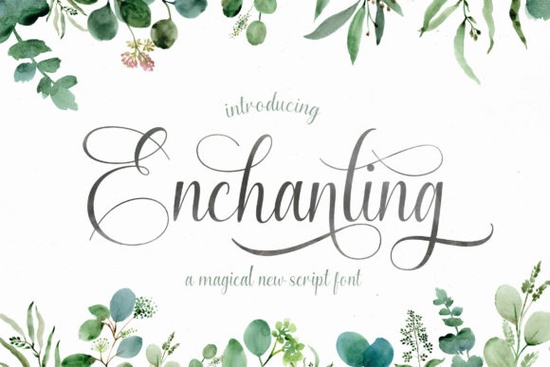
When you need a handwritten typeface that feels personal yet polished, Enchanting Script Font delivers exactly what many designers and crafters look for. Instead of chasing stiff digital prints or overly decorative display faces, this style keeps things readable while adding distinct artistic flair. You will notice how quickly it transforms basic text into finished artwork, whether you prepare files for Printify, design a local shop sign, or draft social media graphics. The strokes flow smoothly, and the spacing never fights your layout. If you experiment with casual handwriting styles or build an identity around authenticity, testing it early pays off.
How does PUA encoding actually change my workflow?
Many creators struggle when downloading new typefaces. Files often hide alternate characters behind complicated layers or require third-party software to see the full alphabet. PUA encoding solves this by placing every glyph, ligature, and decorative swash directly into one accessible Unicode space. That means you can type normally and then open the character map to swap in flourishes or extended line breaks without breaking your text box. Crafters who upload to Etsy or Amazon Merch appreciate this because it keeps files lean and ensures previews match printed products. You get direct control over every element while maintaining standard workflows.
Which projects benefit most from this flowing letterform?
The structure shines when applied to visual storytelling. Small business owners frequently pair it with minimal line art to build cohesive Instagram templates or packaging labels. If you make printable wall art, the balanced weight prevents it from overwhelming backgrounds. Some makers prefer leaning into cozy aesthetics, and exploring rustic lettering styles like those found in a farmhouse pumpkin font collection offers nice contrast. Pairing these with whimsical butterfly-themed collections sometimes creates busy visuals, so leave breathing room around the text. Others want something closer to actual penmanship, where pairing it with tools for personalized signature designs maintains readability on merchandise tags.
How do I choose between it and similar options?
Scrolling through digital type libraries wastes hours if you ignore actual usability. Not every script handles tight kerning well, and some break apart when scaled down for garment prints or phone wallpapers. This choice maintains clear connection points between letters, reducing guesswork when adjusting tracking. Designers who regularly produce straightforward signature templates usually prefer consistent stroke weights over unpredictable thick-and-thin variations. Hobbyists working on scrapbooking or journal covers value flexibility above all. If you want to compare samples before committing, the complete product page displays exactly how each mark behaves across different weights. Reading through recent buyer feedback also reveals realistic use cases.
What steps keep final files looking sharp?
Proper setup matters more than most creators realize. After extracting the archive, verify that all included formats appear before opening your design program. Set baseline text at twenty-four to thirty-two points for headers, and rely on manual adjustments rather than auto-spacing. When adding decorative end-strokes, step back frequently to ensure nothing overlaps. Testing on actual media helps. A preview on kraft paper differs from a bright monitor, so print a quick proof. For detailed guidance on managing swashes, checking official notes for Enchanting Script provides clear instructions that match your editing software.
Quick implementation checklist
- Confirm all font files extract cleanly before launching any project.
- Create a dedicated sample sheet to test uppercase, numbers, and common punctuation.
- Adjust leading slightly wider to let handwritten curves settle comfortably.
- Export vector versions for large prints and high-res PNGs for digital downloads.
- Label backups clearly so future updates never scramble your active library.
Test one print on your target material before scaling up. This catches alignment shifts and maintains brand consistency across orders.
Learn More Clean & Creative Projects Using Simple Signature Fonts
 Saturday Fonts for Creative Web Design Projects
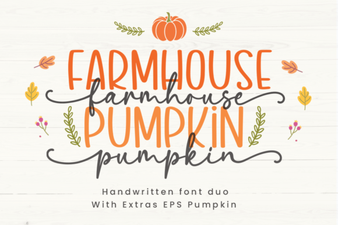 Farmhouse Pumpkin Fonts for Creative Fall Projects
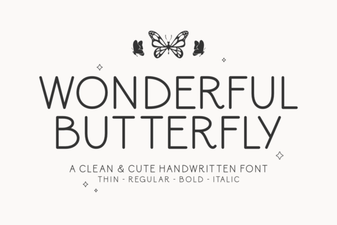 Wonderful Butterfly Fonts for Creative Projects
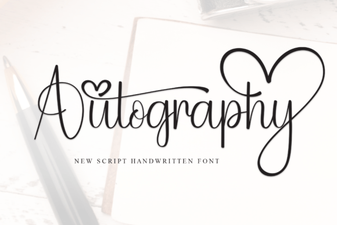 Craft Unique Documents with the Autography Font
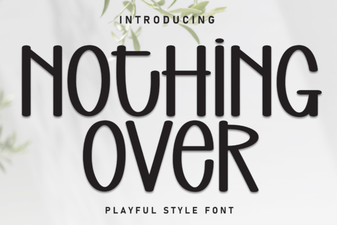 Designing Without Over-Focusing on Font Choices